
Mold Remediation in Islip, NY 11751
Plaster-and-lath construction — the standard building method when many Islip homes were built — creates a very different moisture environment than modern drywall over stud cavities. The lath itself, along with any horsehair or fiber binding in the original plaster mix, can hold and hide moisture in ways that aren't always visible from either side of the wall.
Call Now: (631) 250-191060-Minute
Arrival Guarantee
Or your assessment is free. Call now to start dispatch.
24/7 · 365 Days · Bay Shore & All of 11706
Mold Remediation in Islip
We treat Islip mold assessments with extra attention to the lath cavity specifically, since surface plaster can look and feel dry while the wood lath behind it stays damp for weeks. Combined with many older Islip homes having little to no vapor barrier by modern standards, moisture migration through the wall assembly is a real factor we account for that's simply less relevant in newer construction.
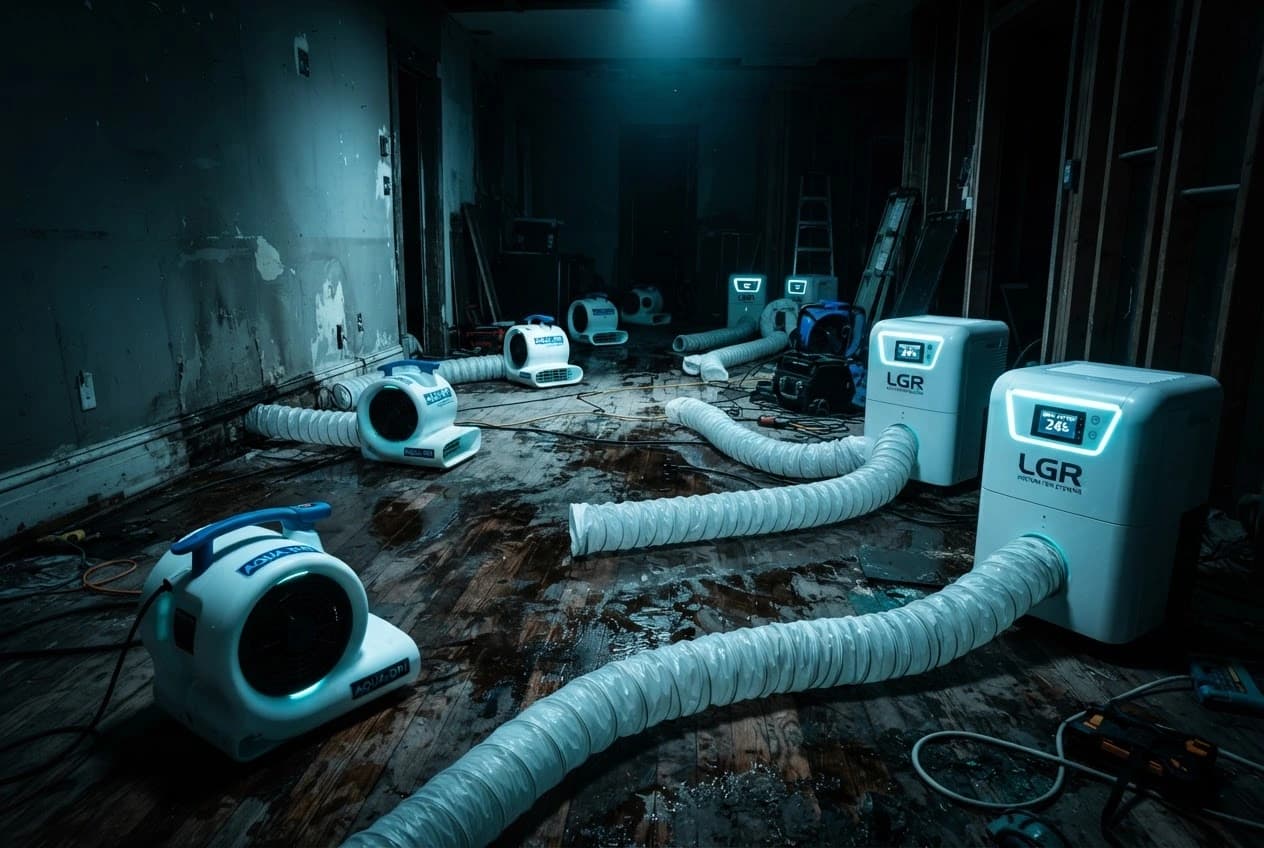
Signs You Need Mold Remediation in Islip
A musty smell that seems to come from within a wall rather than a specific visible spot
Plaster that feels cool or slightly damp to the touch without obvious water staining
Small cracks in plaster accompanied by discoloration, which can indicate lath-level moisture
Peeling wallpaper or paint in sections of historic rooms
A previous water event in the home with no professional moisture assessment afterward
What to Do Right Now
These steps can limit damage and keep your family safe before we arrive — this isn't a substitute for calling us, it's what to do in the meantime.
Don't disturb or attempt to open the wall yourself — plaster and lath require specific handling to avoid unnecessary damage to historic material.
Don't paint over discolored plaster — it won't resolve the underlying moisture and can make later assessment harder.
Increase ventilation in the affected room if you can do so without agitating the surface.
Note any history of water events in that area of the house, even years ago — it's relevant diagnostic information.
Keep the area isolated from children and pets until it's evaluated.
Our Process in Islip
Our Local Process
For Islip, we assess the lath cavity itself, not just the plaster surface, since that's where moisture and mold most often hide in this construction type. Containment and treatment are adapted to avoid unnecessary damage to original plaster where it can be preserved, paired with HEPA filtration and antimicrobial treatment appropriate for historic wall assemblies.
Timeline
Islip mold jobs often run slightly longer than newer-construction neighborhoods — typically 4–6 days — because assessing and treating the lath cavity thoroughly takes more care than a standard stud-cavity job.
Insurance
Mold tied to a specific covered water event is typically covered up to your policy's sublimit; the historic nature of the wall assembly doesn't change coverage itself, though specialized plaster-safe remediation techniques may be a relevant detail in your claim documentation.
Islip Homeowners Ask
Why is mold harder to detect in my Islip home's walls?
Plaster-and-lath construction can hide moisture in the lath cavity behind an intact-looking plaster surface, unlike drywall which tends to show staining more readily — this makes assessment in historic Islip homes more involved.
Can you remove mold without destroying my original plaster?
Where the plaster itself hasn't structurally failed, we prioritize techniques that treat and preserve it rather than defaulting to demolition — full removal is sometimes still necessary if the material is too compromised.
Does my older home's construction make it more mold-prone in general?
It can, particularly due to less vapor barrier by modern standards and the moisture-holding tendency of the lath cavity — this is a real factor in older Islip homes compared to modern construction.
Is mold remediation covered by insurance for a historic home?
Coverage generally follows the same rules as any home — tied to whether it stems from a sudden covered event — though we document any historic-material considerations relevant to your specific claim.
How do I know if my Islip home needs a moisture assessment?
Any history of water intrusion, a persistent musty smell, or cool/damp-feeling plaster without visible staining are all reasons to have it professionally assessed rather than waiting for obvious signs.
Will remediation affect the historic character of my home?
We aim to minimize impact on original finishes wherever the material can be safely treated rather than removed — we'll walk you through the specific approach for your property before starting.
Mold Remediation in Islip? We're 60 Minutes Away.
Call now for immediate emergency dispatch to 11751.
(631) 250-1910